
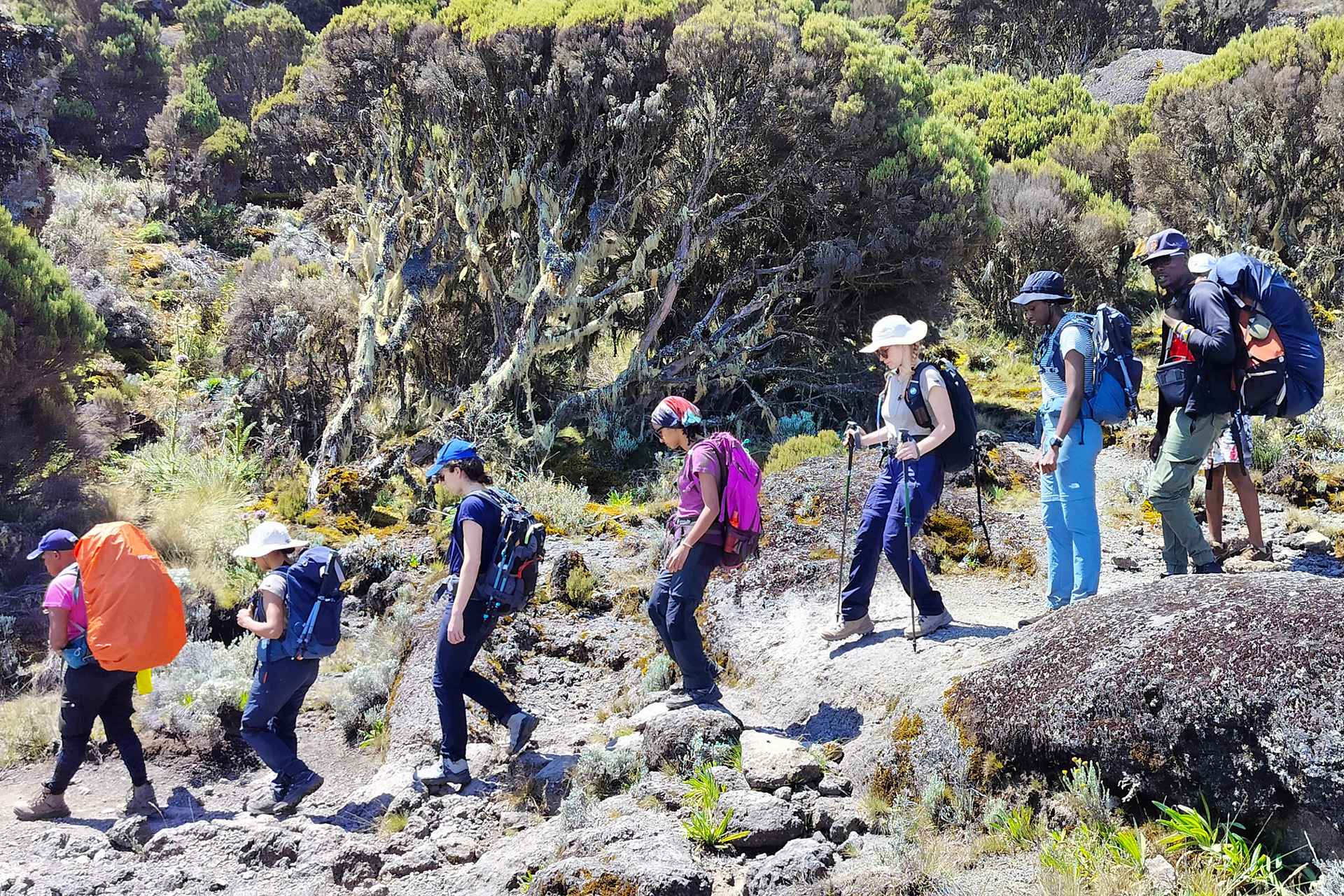
Kilimanjaro Luxury Climb 7 Days Umbwe Route for US$3970/Person Based on 2-3 Persons Booking
Kindly Note: Prices quoted are based on a minimum of 2-3 persons booking, and will go down for 4 and more persons.
We also create tailor-made itineraries to suit individual and/or group interests. Tell us your ideas and requirements and we will work together to customize your trek. If traveling with children, please indicate their ages.
The Umbwe route is a short, steep and direct route. It is considered to be very difficult and is the most challenging way up Mount Kilimanjaro. Due to the quick ascent, Umbwe does not provide the necessary stages for altitude acclimatization. Although the traffic on this route is very low, the chances of success are also low. The route is offered at a minimum of six days, though seven days is recommended when attempting this route. The Umbwe route should only be attempted by those who are very strong hikers and are confident in their ability to acclimatize. However, overall, the Umbwe route is not recommended and we discourage its usage for our clients.
All our Kilimanjaro luxury climbs are offered as a private trip, starting on any day.
Day 1: Arrival in Tanzania
Trek Itinerary
Day 1: Umbwe Gate (1,800m/5,905ft) to Cave Bivouac Camp (2,850m/9,350ft)
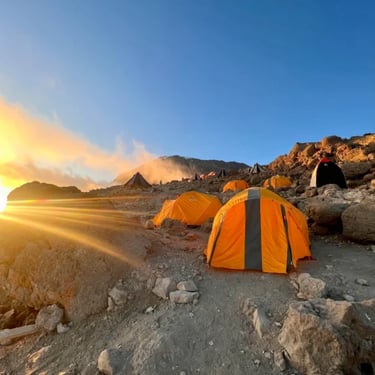
At 8am leave Moshi for Umbwe Gate where you will meet our porters, guides, and cooks who will spend the next six days trekking with you to Uhuru Peak, the roof of Africa. After arriving, wait at the gate while we register your climb and the porters and guides make final preparations. Your first day’s destination is Cave Bivouac Camp, approximately 6 hours from the gate. The trail is steep and can be slippery in some places.Hike through the moss-covered trees of Kilimanjaro’s cloud forest. The forest will thin later in the hike and heathers, tall grasses and wildflowers will come into view. Porters and cooks will walk ahead to set up the camp in time for your arrival.
Day 2: Cave Bivouac (2,850m/9,350ft) to Barranco Camp (3,950m/12,960ft)
The first section of the trail continues following the ridge. After leaving the forest, continue through open moorlands until reaching Barranco Camp. Barranco is generally regarded as the most scenic campsite on the Umbwe Trail as it’s surrounded by giant senecios and lobelias. As Barranco is in a valley, the sun rises later than at the other camps.
Day 3: Barranco Camp (3,900 m/12,800 ft)
Extra Day for Acclimatization. Adding this day will ease your effort, and amplify your acclimatization.
Day: 4 Barranco Camp (3,950m/12,960ft) to Karanga Valley (4,200m/13,780ft)
Leave Barranco Camp after breakfast for Karanga Valley. The day begins with a 1.5 hour scramble up the Barranco Wall. This is the hardest part of the day and in some places you may have to use your hands to aid your climb. After reaching the top, hike through fairly level terrain before making a short but steep descent into the green Karanga River Valley.
Day 5: Karanga Valley (4,200m/13,780ft) to Barafu Camp (4,600m/15,100ft)
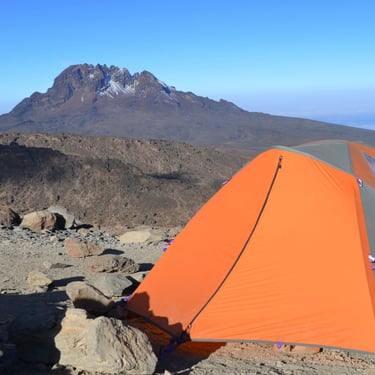
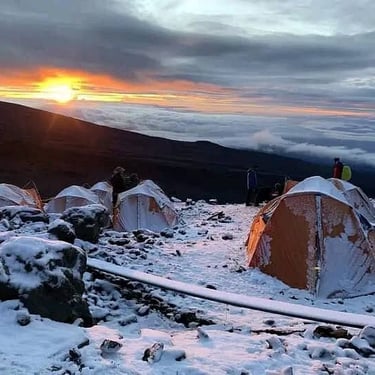
After breakfast, begin the hike to Barafu Camp. On the way to Barafu, view several of Kibo’s glaciers as well as the junction that connects the descent route, Mweka, with the Machame trail. During day four, hike by the Heim, Kersten and Decken Glaciers. Although the trail to Barafu passes through alpine desert with little vegetation, Barafu Camp offers stunning views of Kibo and Mawenzi peaks. Try to sleep after finishing dinner as you will wake before midnight for your summit hike.
Day 6: Barafu Camp (4,600m/15,100ft) to Uhuru Peak (5,895m/19,340ft) to Mweka Camp (3,100m/10,170ft)
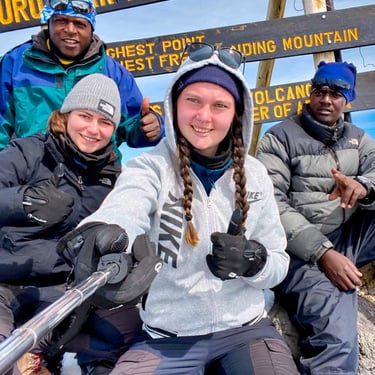
Around midnight, begin the final ascent to Uhuru Peak. Hike by the light of your headlamp for the next six hours. The ascent to the crater rim is the most challenging part of the entire trek. The trail is very steep until you reach the crater rim at Stella Point. The hike from Stella Point to Uhuru Peak is a gradual climb and, as far as hikes go, not very difficult. The altitude, however, makes the hike long and tiring. The crater rim hike takes approximately one hour. Upon reaching Uhuru, take photos of your guide and group at the peak before beginning the descent to Mweka Camp. On the way down from Uhuru, enjoy views of the mountain, crater, clouds and glaciers. At Barafu Camp, eat breakfast and take a short break. You still have another three to five hours to go before reaching Mweka Camp.
Day 7: Mweka Camp (3,100m/10,170ft) to Mweka Gate (1,500m/4,920ft)
After breakfast, finish the trek with a hike through the forest to Mweka Gate. The trail may be slippery following rain. Our vehicles will meet you at the lower station of Mweka Gate to take you back to Moshi.
Our Luxury Kilimanjaro Trekking includes:
Special Kilimanjaro guide with Wilderness First Responder certification
2 way Airport transfers
2 Nights hotel included at a 4**** hotel Kilimanjaro Wonders Hotel in Moshi
Personal porter for carrying day pack
Food resupply (once on trek)
Solar panel for charging USB devices (charges battery, which charges devices)
Solar lights
Hyperbaric pressure bag
Oxygen
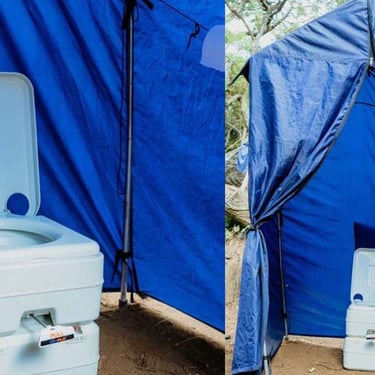
Portable toilet (1 per 5 people)
Camp shower (1 per 5 people)
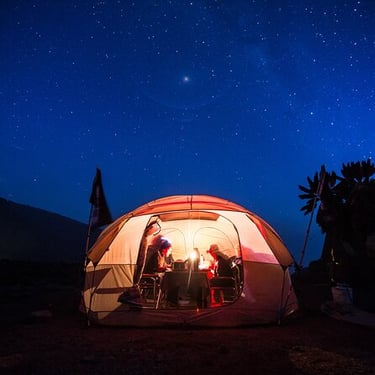
Large comfortable dining tent
Dining chairs with backs and arms
Hot lunches on the mountain
Solar lighting in dining tent and personal tent
Camp pillow
Extra sleeping pad or 1 double thick pad
Filtered water with Katadyn filter
Kilimanjaro map for the group
Celebration dinner at hotel after returning from trek
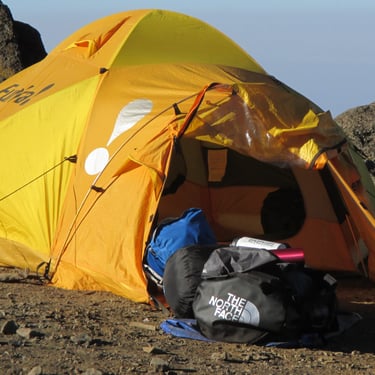
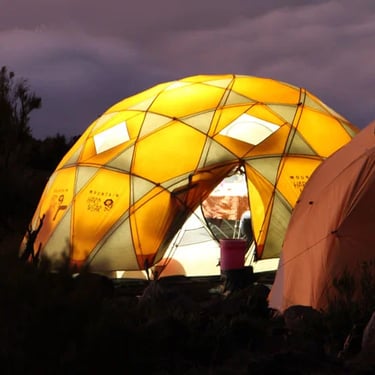
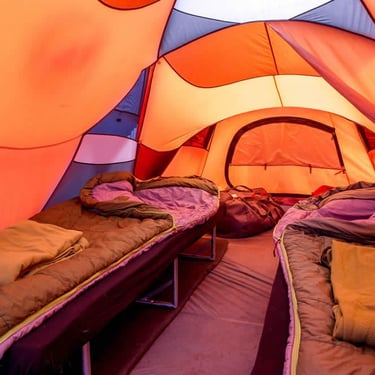
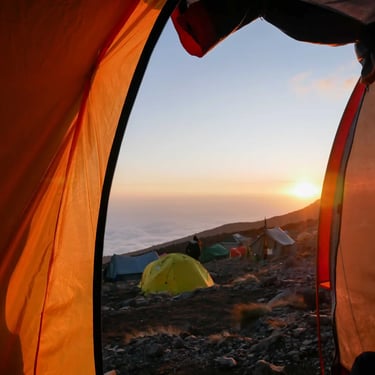
Walk-in tent (4-person, 4-season) for 2 people
Camp beds
Resupply of fresh food on trek
Hot water bottle for sleeping bag
Private emergency stretcher
Excluded from our luxury Kilimanjaro climb:
International and domestic flights
Meals not listed
Beverages and alcohol
Tips for guides, drivers, hotel staff
Optional tours
Single room supplement
Personal expenses (visas, airport taxes, Internet, etc.)
Tips for guides, porters, and cooks (budget $600-800/person)
Sleeping bags and personal gear
Email/PHONE
tour@zimbaextreme.com
+255772770548 / +255753286388
© 2026 Zimba Extreme International, Along With all the Brands and Websites We Own & Operate World-wide. All rights reserved.
OUR EQUIPMENT RENTAL STORE & OPERATIONS OFFICE:
KCMC Road, 2nd Floor, Lukindo Complex, Longuo 'B' Opposite the Tanzania Police School, Moshi Town CBD 25116
Working Hours:
Mon-Sunday, 24 Hours/7 Days
ZIMBA EXTREME INTERNATIONAL.
MANAGERIAL & OWNER RESIDENCY:
House No. 321-KLM-Rd, BLOCK ''C''
Kilimanjaro Road & Bustani Alley, Area Post Code 25102 - Moshi Town CBD, Tanzania.